

Child Behavioral Therapist: Frequently Asked Questions
McCartney Paul
Child behavioral therapists are trained mental health professionals who specialize in helping children deal with emotional and behavioral challenges to learn how to function more effectively. Their overall goal is to strengthen desired behaviors, reduce or eliminate unwanted ones, and improve the child’s overall well-being. They help equip the child with adaptive coping skills that enable them to handle frustration and difficult situations in a healthy manner.
How can I tell if my child is going through a phase or needs professional help?
It can sometimes be hard to know if your child’s behavior requires professional intervention or if it is just a phase he or she is going through. Almost all young children act out occasionally. Some level of defiance, temper tantrums, and testing of boundaries is a normal part of child development.
This is especially true during the toddlerhood stage when children are going through the process of learning to express themselves, gain independence, and assert their wills. More persistent or severe issues, however, such as trouble making or keeping friends, or causing frequent disruptions at school, may require the know-how of a professional.
 Some red flags that require immediate attention and should not be ignored include sudden, dramatic mood or personality changes; destructive behavior such as breaking things or setting fires; uncontrollable anger over seemingly trivial issues; physical aggression toward others; mistreating animals; self-harm; or acting in ways that are inappropriate for their age.
What can a child behavioral therapist do to help?
A child behavioral therapist can help improve your child’s unwanted behaviors by:
- Pinpointing what triggers them and why.
- Helping him or her identify and modify negative thought patterns.
- Equipping him or her with the necessary skills to handle frustrating circumstances appropriately.
- Teaching him or her to manage his or her emotions in healthy ways, communicate effectively, improve social interactions, and develop problem-solving skills.
What issues can a child behavioral therapist address?
A child behavioral therapist can address a wide range of behavioral and mental health issues, including, but not limited to:
- Disruptive behavior
- Temper tantrums
- Oppositional Defiant Disorder (ODD)
- Attention Deficit Hyperactivity Disorder (ADHD)
- Emotional dysregulation
- Anxiety
- Phobias
- Depression
- Stress
- Social challenges
- Learning disabilities
- Autism Spectrum Disorder (ASD
- Trauma
The therapist can provide the child with effective tools to navigate his or her challenges and enhance his or her overall well-being.
Can a child behavioral therapist help children with learning disabilities?
Yes, child behavioral therapists can effectively support children with learning disabilities through specifically tailored techniques such as applied behavioral analysis.
What kind of techniques does a child behavioral therapist use?
Child behavioral therapists typically draw from a variety of techniques to address and modify undesirable behaviors in children, customizing them to meet your child’s age, stage of development, and specific needs.
The following are some of the most effective and commonly used interventions.
Parental training Typically, children’s maladaptive behavior is related to the way their parent responds to them, and the results of treatment are largely dependent on their caregivers’ parenting skills. Parental training focuses on ensuring that parents understand their role and on equipping them with strategies to support their child at home.
Some strategies include establishing house rules, consistent routines, and structure; using positive reinforcement and a reward system when, for instance, their child expresses his or her emotions appropriately; and communicating clearly to create a more secure and predictable home environment.
Cognitive Behavioral Therapy (CBT) Cognitive behavioral therapy is a structured, evidence-based approach centered on identifying problem behaviors, triggers, and negative thought patterns that are causing problems at home, school, and in social interactions with others. It equips the child with effective tools to modify and manage them.
CBT consists of two components: a cognitive one that helps the child change the way he or she sees a situation, and a behavioral one that teaches him or her how to change the way he or she reacts to it.
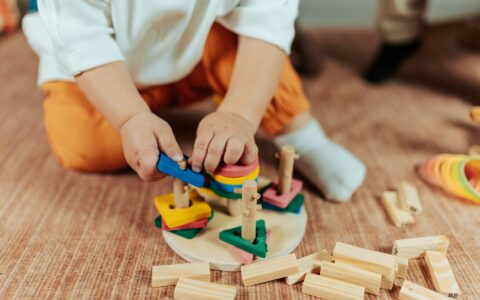
Play therapy Play therapy is a helpful approach for younger children who struggle to express their feelings verbally. It is often incorporated into Cognitive Behavioral Therapy. Through play, the child can act out scenarios and emotions without using words. This gives the therapist insight into what is going on inside the child and ways to help him or her work through challenges.
Art therapy Art therapy is also often used alongside traditional behavioral therapy for young children who struggle to express their emotions verbally. It provides a venue that enables them to explore and process their feelings and communicate their inner world and feelings in a safe, nonverbal way.
Dialectical behavior therapy This is a modified form of Cognitive Behavioral Therapy specifically geared for children who have trouble handling strong emotions. It focuses on teaching them how to become aware of and accept difficult thoughts and feelings without judging or challenging them. It equips them with emotional regulation and distress tolerance skills that enable them to manage feelings rather than try to avoid them.
Systematic desensitization Systematic desensitization is an effective intervention for children suffering from extreme anxiety and panic disorders. The child is gradually exposed to things that trigger his or her anxiety, in a safe environment, while using calming relaxation techniques, until he or she becomes desensitized to them.
Family therapy Family therapy focuses on family dynamics and relationship patterns between family members, reveals dysfunctional interactions that contribute to the child’s problems, and strengthens the entire family. It encourages open communication, resolves misunderstandings, and helps them develop healthy patterns of interacting.
Parent-child interaction therapy (PCIT) Parent-child interaction therapy is specifically designed to enhance the parent-child relationship. It teaches the parent how to effectively manage challenging behaviors at home and improve compliance using consistent strategies that promote, reward, and reinforce positive conduct. It is particularly effective for disruptive behavior disorders such as conduct disorder and oppositional defiant disorder.
Emotion-focused therapy (EFT) The goal of emotion-focused therapy is to strengthen interpersonal relationships between parent and child, foster better emotion regulation skills in the child, and teach parents how to support their child.
Applied behavioral analysis (ABA) Applied behavioral analysis is primarily used to help children with autism and other developmental disabilities improve their social, communication, and behavioral skills through a structured system of positive reinforcement and rewards to increase desired behaviors.
What are the benefits of child behavioral therapy?
Improved emotional regulation and self-control Child behavioral therapy uses techniques such as deep breathing and mindfulness exercises, as well as cognitive restructuring, to equip children with effective tools to manage difficult emotions. These help transform feelings such as anger and frustration so the child can develop resilience and be able to express themselves in more appropriate, controlled ways.
Better behavior and thought patterns Child behavioral therapy helps children recognize and correct negative thought patterns that may be at the root of their disruptive behaviors. This can result in improved self-image and conduct.
Enhanced social skills and healthier relationships Child behavioral therapy uses social skills training, modeling, and role play to help children develop essential skills. These include effective communication, active listening, empathy, and healthy conflict resolution so they can interact with others more effectively.
Improved academic performance Child behavioral therapy can significantly improve a child’s academic performance and focus by pinpointing and addressing behavioral challenges that may be hindering him or her. It helps him or her learn how to concentrate better, manage distractions, develop good study habits, and build strong organizational and problem-solving skills.
Greater self-esteem As children develop new skills and learn to overcome challenges through child behavioral therapy, it boosts their confidence and increases their self-esteem.
If you feel your child would benefit from the type of support described in this article, you can set up a risk-free appointment. Contact our reception team to schedule an appointment to meet with me or one of the other faith-based counselors to learn more. Please give us a call today.
Photos:
“Parachute Game”, Courtesy of Artem Kniaz, Unsplash.com, CC0 License; “Field Trip”, courtesy of note thanun, Unsplash.com, CC0 License; “Brothers”, Courtesy of Markus Spiske, Unsplash.com, CC0 License; “Child’s Toys”, Courtesy of Yunus Tuğ, Unsplash.com, Unsplash+ License

