
Helpful Options for Natural Anxiety Relief
Shawna Shaughnessy
We’ve all experienced anxiety at some point in our lives. Situations such as an important board meeting, a work presentation, a date, a public performance or the days leading up to a big exam are times when anxiety strikes. In situations like these, it is best to use non-medicinal methods to relieve anxiety.
On the other hand, when anxiety is severe and chronic, there are medications available to assist you with reducing anxiety. However, if you are seeking a holistic, faith-based approach, there are natural methods that could be helpful. In order to make an informed decision, it is important to understand these natural methods and their limits.
Choosing Natural Methods for Anxiety Relief
As you start your journey to managing anxiety, it is important to consider what natural approaches are available and why those approaches might be the most beneficial choice. Natural methods of anxiety relief are often effective in addressing mild to moderate anxiety and tend to have fewer side effects than the medications offered to address anxiety.
Choosing natural methods for anxiety relief is also a way for a person to empower themselves and nurture their own well-being. Using these methods can foster habits that support long-term emotional health. In this way, you can change your life for the better with small, impactful daily choices.
Methods for Natural Anxiety Relief
It is important to remember that even though some remedies may be marketed as natural, they may not be. To determine if something is natural, you must first determine if the methods focus on and work with your body’s own systems without the need to consume anything to achieve the desired effect.
Scripture tells us that our bodies are fearfully and wonderfully made (Psalm 139:13-14, ESV). When we were created, God gave our bodies an innate ability to heal and protect ourselves from perceived physical or emotional harm.
This does not mean that there is no place for medication or other radical interventions when we need additional help reducing anxious thoughts and emotions. There is a time and place for both natural and medicinal interventions for anxiety, particularly if you’re sensitive to certain medications or experience side effects.
Nutritional awareness and support, lifestyle adjustments, and spiritual practices that promote well-being are all considered natural methods for anxiety relief that rely on how your body functions. The following information expands on those practices.
A balanced diet What we put into our bodies determines what we get out of our bodies. The things you put into your body can affect you in profound ways, and that includes what you eat, drink, or otherwise ingest. A diet rich in magnesium, omega-3s, and other nutrients can support your health and well-being.
Mental well-being is closely connected to physical wellness, and what you consume matters. Along with a balanced diet, doing things like avoiding or reducing caffeine, alcohol, nicotine, and other substances can help you reduce your anxiety levels. Some people can feel the physical symptoms of anxiety when they consume too much sugar.
Keeping a food journal can help you track what sort of foods tend to trigger your anxiety, and what helps support calm. Part of the dietary changes you can make might include using natural options like chamomile or passionflower tea that can help support a sense of calm.
 Physical exercise Anxiety triggers your sympathetic nervous system, triggering your body to respond to a perceived or real threat. As a result, your heart may begin to race, you get tunnel vision, your muscles tense up, and you experience other physiological changes that anxiety causes. Regular exercise releases endorphins, which help you feel good and reduce stress levels.
By exercising, you activate your parasympathetic nervous system, which shifts your body from a state of heightened alert to one of calm. It relaxes your tense muscles, slows your heart rate, and returns your body to its normal resting state. When you exercise, it also improves your sleep, which helps you better regulate your emotions.
Sufficient sleep and rest Speaking of sleep, it’s important for overall health that you prioritize getting adequate sleep and rest. Taking time to pause, disconnect altogether, or set down the day’s concerns renews your mind, body, and spirit. A good night’s rest makes a huge difference. Being well-rested makes you less irritable and on edge, while helping you feel more in control of yourself and your reactions.
Relaxation techniques There are helpful relaxation techniques you can apply to calm your nervous system. Anxiety can be good because it makes you alert to possible danger. However, there are times when the anxiety response is easily triggered in the absence of perceived danger. Relaxation techniques can remind your body that you are safe and that it’s okay to let your guard down.
One example of this is progressive muscle relaxation. This method involves slowly and intentionally clenching and unclenching various muscles across your body. You can start at your toes and move up from there, gradually calming down your nervous system. In addition, deep breathing is another helpful technique for reducing anxiety.
You might experience rapid breathing when the anxiety increases. Therefore, deep intentional breaths can slow the rapid breathing that tends to happen when anxiety hits. Controlling your breathing in this way can help restore your body to a state of calm.
Prayer and meditation The practices mentioned above can be combined or integrated with practices such as prayer and meditating on Scripture. You can reflect on passages like Philippians 4:4-8, Isaiah 43:1-2, Matthew 6:25-34, Psalm 23, and 1 Peter 5:7. These verses can serve as reminders when your anxious thoughts threaten to take over and can be a source of comfort and support.
Professional counseling Anxiety can be rooted in dichotomized thinking, exaggerated fears, or in past experiences that condition your present responses. A counselor can help you not only understand the anxiety and how it affects you, but also equip you with tools to manage that anxiety.
The Efficacy of Natural Anxiety Relief
These methods can be quite effective in dealing with situational or mild forms of anxiety. As you practice and make use of them consistently over a long period of time, their efficacy grows. It is important to remember that non-medicinal methods for reducing anxiety are not a quick fix. They do take longer than medication to take effect, but a huge benefit is that they contribute to and promote deeper emotional resilience over time.
As effective as these methods are, there are also limitations to consider. Just as with any other intervention, results may vary depending on several factors. If the anxiety you’re dealing with is chronic or severe enough to be diagnosed by a mental health professional as an anxiety disorder, then these natural methods should work alongside professional counseling and prescribed medication.
The choice between natural anxiety relief methods and medicinal options isn’t one or the other. You may experience significant or complete relief through natural methods. If not, you may also benefit greatly from combining these methods with medication prescribed to tackle the symptoms of anxiety.
Christian Counseling for Anxiety in Texas
If you’re struggling with anxiety, it’s important to see a mental health professional to determine the best course of action. Anxiety diagnoses typically range from situational to mild to severe. The good news is that anxiety can be managed, and it doesn’t have to rule your life. Through the use of natural methods or other interventions for reducing anxiety, you can achieve the abundant peace that the Lord desires for you to have.
Connecting with a Christian counselor in Texas can be the first step on your healing journey. Feel free to contact our reception team to schedule an appointment with me or one of the other counselors in our online directory to help you overcome anxiety and live a more peaceful life.
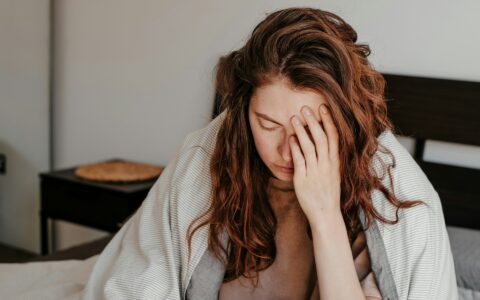
Photo:
Stressed Out”, Courtesy of Valeriia Miller, Unsplash.com, Unsplash+ License